Liner Panels and Trim for New Mexico Metal Buildings
Forty or so dairies around Portales, a major dairy solids plant and a 70-acre peanut plant with 53,000 square feet of shelling space all share one problem: the inside of a metal building takes a beating. Washdown water, feed dust, ammonia and heavy equipment tear up bare insulation and bare girts in a hurry. Liner panels and trim are what protect the building from the inside and the weather from the outside.
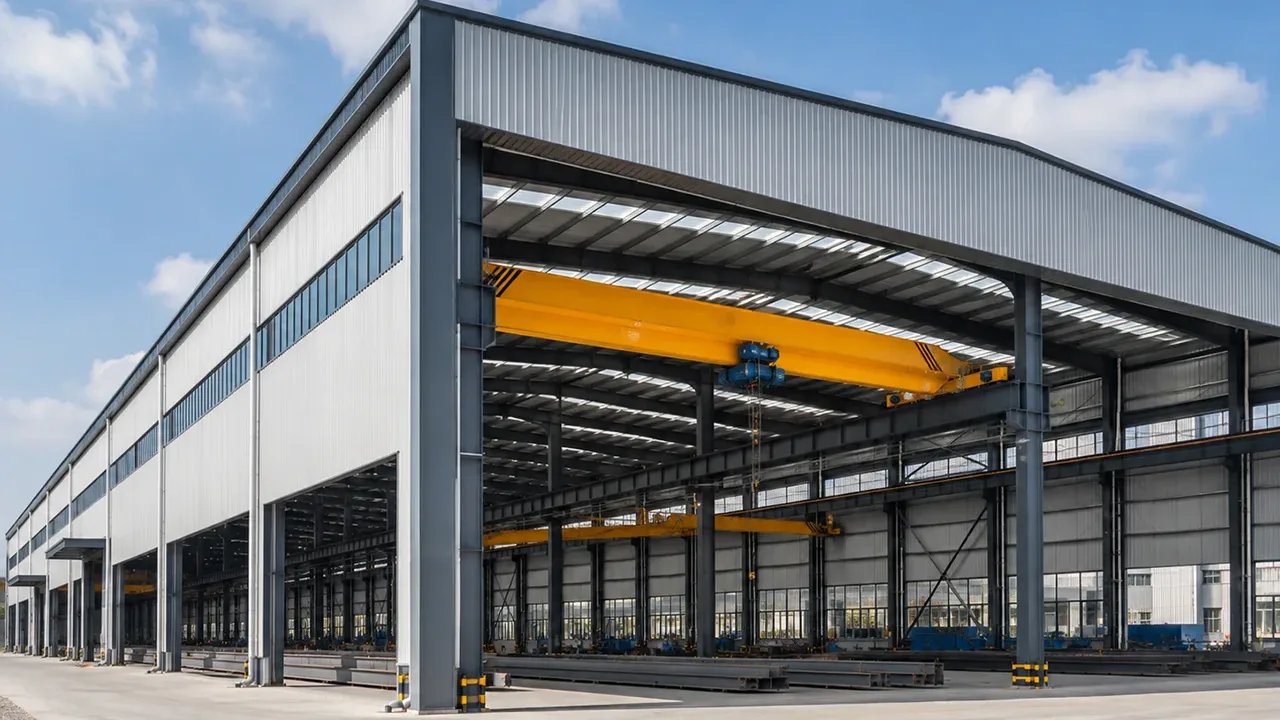
Liner panels are the interior skin of a metal building: steel sheets fastened to the girts and purlins on the inside of the wall or ceiling. They hold the insulation in place, give you a surface you can wipe or hose down, and protect the insulation from forklifts, animals and tools. Trim is the shaped metal that finishes every edge, corner and opening: the base, the eave, the rake, the ridge, the door jambs and the window frames. A building without good trim leaks and shows its age before the panels do.
We install both on new buildings and on older ones that have been abused. It is not the glamorous part of a metal building job, but it decides how the building looks and performs in ten years.
Buildings that need a tougher interior
Dairy parlors, milk houses and feed rooms come first. Our agricultural buildings get liner panels at least up to the height cows, equipment and washdown spray reach, and often all the way to the roof. A smooth, light-colored liner also reflects light, which helps in an interior that otherwise looks dark.
Warehouses and distribution centers need liner too, usually along the lower walls where forklifts and pallets hit. A heavy-duty liner takes the abuse that would punch through bare insulation. Self-storage buildings use light liners and tight trim to keep pests and dust out of units, and we cover that under self-storage metal buildings. In each case the liner is a small line item that keeps a big investment dry and clean.
What we install and where
On the interior side, we install wall liners to the height you specify, ceiling liners where the roof needs a finished underside, and kick-plate panels at the base where equipment hits. Light-gauge liner is fine for a storage building. Heavier panels go where forklifts or livestock work. At the top of the wall, a transition trim holds the liner against the insulation and closes the gap.
On the exterior we install the trim that finishes the building: base, corner, eave, rake, ridge cap, gutters, downspouts and the flashing around doors and windows. Closure strips seal the ribs of the roof and wall panels where they meet the trim, which keeps birds, insects and wind-driven dust from getting inside. Properly done, the building reads as a single piece. Poorly done, trim is where the water gets in first.
Details that decide how long it lasts
We install trim before the weather can get at the building, not at the end of the job. A bare edge lets wind lift the panel and tear fasteners, and a loose ridge cap is the first thing a high-desert gust takes. We fasten trim to the specified spacing, seal laps with the right sealant and close every rib so there are no gaps. On a long building we leave room for thermal movement at joints because steel grows and shrinks with the sun.
For liners, we cut around penetrations cleanly and seal them. We also check how the insulation is held. A vinyl-faced blanket needs the liner to stay tight against it. Washdown buildings need laps and screw heads that do not trap water. When the panels are insulated metal panels, the liner is the panel's own inside skin and the trim details become even more important.
Ag, storage and food-related work
Agriculture and agribusiness is where most of our liner work lands. Portales is described as home to about 40 dairies and a major dairy solids plant, and it is a major U.S. exporter of certified organic peanut products. In Artesia, the main economic activities are oil and gas, agriculture and dairy. Both towns put steel buildings next to animals, feed and product, and those buildings wear faster when the interior is bare.
Self-storage owners are a different customer with similar needs. Self-storage operators care about clean doors, tight corners and consistent trim color across a long row of buildings. A trim detail repeated fifty times has to be done right the first time or it is fifty problems. For jobs in Portales and Artesia, we plan for the travel and the long runs of material they involve.
Color, wind and the remote site
Factory finishes fade at different rates, and some colors show chalking sooner than others in the high desert sun. We help you choose finishes that suit the exposure and keep the trim and panel colors matched, since a mismatched trim piece shows from the road. If a building will be added to later, order extra trim from the same lot so the new work matches.
Wind is the other issue. Trim is thin metal with a long surface, and a hard gust can bend and tear a poorly fastened piece. On remote sites we also plan for shipping damage and shortages. Trim comes in bundles and long pieces can bend in transit. We inspect everything at delivery and replace damaged pieces before the crew is in the field.
Protecting the inside of a steel building?
Tell us what the building is used for, how high the liner needs to go and where it is. We will quote the liner, the trim and the cost of getting material and a crew to the site.
Common Questions
Do I need liner panels in a storage building?
Not always. A simple storage building can work with bare insulation behind a protective facing. If forklifts, animals or washdown reach the walls, liner pays for itself by preventing damage. We tell you honestly when it is not needed.
What is the difference between liner panel and wall panel?
Wall panels are the exterior skin. Liner panels are installed inside, over the insulation, and give a finished and protected interior surface. Insulated metal panels combine both in one piece.
Can liner panels be hosed down?
Yes, when the laps, fasteners and trim are detailed for it. We use sealed laps and corrosion-resistant fasteners in washdown areas. Ask for a sealed base trim as well.
Why is trim so important?
Every edge of a metal building is a place where wind can lift a panel or water can slip behind it. Trim covers those edges, closes them and sheds water away from the wall. Cheap or loose trim is how many leaks begin.
Can you replace trim on an existing building?
Yes. We often replace worn base, corner and ridge trim as part of a repair or re-skin. We check the panels and fasteners at the same time because failing trim is often a sign of something else.