Logistics and Fulfillment Center Construction in New Mexico
The Sunport moved more than 83 million pounds of cargo in 2025, Rio Rancho reports $6 billion of investment over ten years with new retail and commercial pads going in around Unser and Westside boulevards, and the Big-I interchange puts I-25 and I-40 traffic into the same city. Parcels and online orders follow that kind of demand. A fulfillment center is the building that sorts them, and it asks more of its shell than a plain warehouse does.
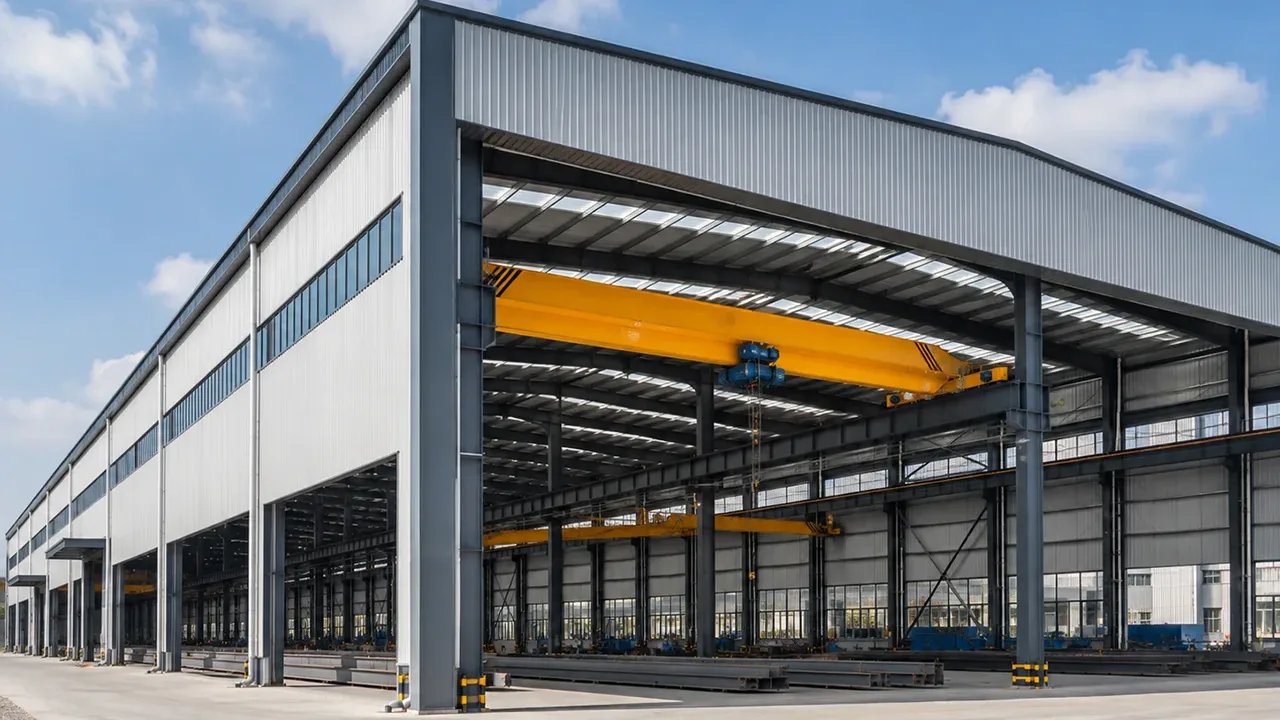
Fulfillment work is labor-heavy and detail-heavy. Pickers walk, conveyors run, mezzanines carry pick modules and returns need a clean processing area. The shell has to give you clear height for racks and mezzanines, strong lighting, comfortable temperatures and plenty of power. We build these as pre-engineered steel buildings with generous bay spacing and wiring-ready walls.
We keep the frame simple and put the thought into the floor, the power and the dock plan. That is where fulfillment centers succeed or fail, and it is why we ask for your pick layout before we quote steel.
Pick, pack and return
A fulfillment building has zones: receiving, bulk storage, pick area, pack stations, shipping and returns. A small operator may fit everything in 20,000 square feet. A larger one may run several levels of pick mezzanine under a tall roof. Each layout changes the column grid, the sprinkler design and the slab.
Our mezzanines and platforms work covers freestanding mezzanine structures inside metal buildings, with stairs, gates and code-compliant guardrails. For smaller retail-style operations, a flex light industrial layout offers storefront, pick space and a packing line under one roof.
Where the demand is
CBRE's third quarter 2026 Albuquerque industrial report describes vacancy as low by historical standards, with no new supply additions and occupier demand rebounding after a softer second quarter. For a fulfillment operator, that means few ready-made buildings and a reason to build your own. The Paseo del Volcan corridor, described in a city planning brochure as a roughly 30 mile four-lane freeway between I-40 and US 550, is meant to open land on the west side for distribution and warehouse uses.
Rio Rancho's NM 528 and NM 550 serve the northern suburbs, and the Unser Gateway area is drawing commercial pads. Delivery routes into those communities are short, which suits last-mile operations. See Rio Rancho for how we serve that market, or Albuquerque for the metro core.
Shell first, systems second
We start with the pick layout and the racking. Clear height should allow your tallest rack plus sprinkler clearance, and bay spacing should match rack rows so columns do not land in aisles. A building 28 to 36 feet at the eave is common for high-density storage, while a pick-module building can be lower.
Then we add the systems that make a fulfillment shell work: skylights or high-bay lighting to reduce power draw, insulation to hold temperatures steady, and wall penetrations for conveyors that leave the building. The same shell can serve a distribution center role if your operation shifts toward bulk shipping.
Fit-out timing
Operators usually want occupancy by a hiring date or a peak season. We work backward from that date: racks and conveyors need weeks to install, and their vendors need access to a dry, lit shell. We plan the slab, frame and roof first, then hand off zones as they are finished.
Summer monsoon storms and spring wind can interrupt crane and roofing work. We schedule the roof to be on before the heavy storm months when we can, and we leave float. For a project outside the metro, lodging and a long drive add days to every mobilization. We say so at the start.
Where the fulfillment budget goes
The shell is a minority of the total. Racking, conveyors, sortation, lighting, HVAC and the electrical service often cost more than the steel. Tell us what you plan to buy and we will keep the shell from blocking it, for example by reserving power rooms, mezzanine footprints and dock doors.
Power is the item to watch. Charging for electric forklifts and robots can double the service size. The utility's lead time on a large transformer can be longer than the building. For owners in the warehousing and distribution business, we bring that question up before the design is final.
Floors, lighting and the people inside
Fulfillment centers employ many people on their feet for long shifts, and the building is part of the work environment. Floor flatness matters for forklifts and for the comfort of pickers. Light levels matter for accuracy. Insulation and ventilation matter in the summer sun of the high desert, where a dark metal roof can push interior temperatures well past comfortable. We specify cool roof colors, roof insulation, ridge ventilation and large-diameter ceiling fans as a standard conversation, not an upgrade.
Safety adds its own requirements. Clear egress routes in a building with mezzanines and conveyors, pedestrian crossings at forklift lanes, fire separation around battery charging and sprinkler density for plastic-heavy storage all affect the layout. The 2021 New Mexico Commercial Building Code (14.7.2 NMAC), effective July 14, 2023, sets the framework, and the fire marshal decides details for storage height and commodity class. We review those with you before we draw the frame.
Tell us the order profile
Send us your order volume, your storage plan and your site. We will outline a shell, a dock count and a schedule, and show the site and long-haul costs separately.
Common Questions
How tall should a fulfillment building be?
It depends on the racking. A 28 to 36 foot eave serves most multi-level pick or tall-rack operations. A pick-module building with a mezzanine can work at a lower height. Share your rack plan and we will size the frame around it.
Can I add a mezzanine after the building is done?
Yes, but it is cheaper if planned. The slab under mezzanine columns should be designed for them, and the sprinkler and lighting layout should expect them. Retrofits are possible, though they involve more coordination.
How much power does a fulfillment center need?
It varies with conveyors, lighting, HVAC and charging. The electrical engineer sizes it, and the utility tells you what is available. Start that conversation early because lead times on service upgrades can be long.
Should I build or lease?
With low industrial vacancy in the Albuquerque market, leasing may be hard to find on short notice. Building gives you the layout you want, but it takes capital and time. We price a build so you can compare it with the lease options you have.
What changes between peak season and the rest of the year?
Staffing, conveyors and dock traffic all swell in peak weeks, so the building should have spare dock doors, spare circuits and overflow trailer parking. It costs far less to rough those in during construction than to retrofit them later. We ask about your busiest week, not your average one, before we set the layout.